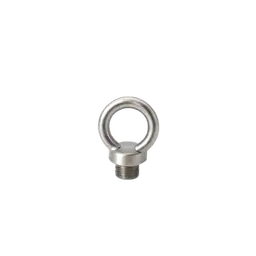
Eyebolts
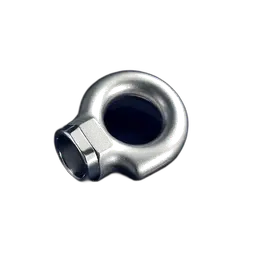
Eyebolts with Nuts—For Lifting
Secure in through-holes with the included nut for use in lifting applications.
163 products
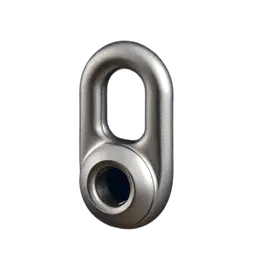
Low-Temperature Eyebolts—For Lifting
Retain their strength in temperatures as low as -40° F.
14 products

Low-Visibility Eyebolts—For Lifting
Coated in matte black-oxide to blend into your setup.
22 products
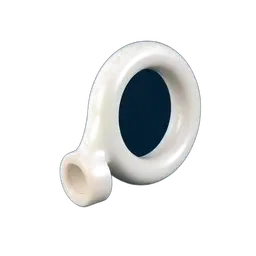
Nylon-Coated Eyebolts—For Lifting
Prevent your wire or cable from snagging.
27 products

Rotating Eyebolts—For Lifting
Rotate the eye to match the angle of your load.
28 products
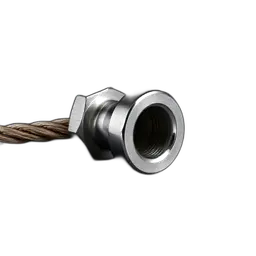
Routing Eyebolts for Wire Rope—Not for Lifting
A contoured groove in the eye reduces wear and kinks on your wire rope.
4 products
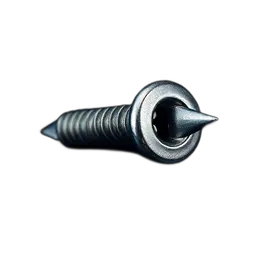
Routing Eyebolts for Wood—Not for Lifting
Thread directly into wood with the sharpened end point.
81 products
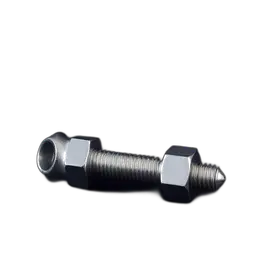
Routing Eyebolts with Nuts—Not for Lifting
Secure in through-holes with the included nut.
208 products
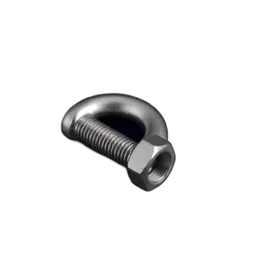
Routing Eyebolts—Not for Lifting
Direct wire and other lightweight material.
20 products
Screw Eyes
Often used with wire to hang pictures.
1 products
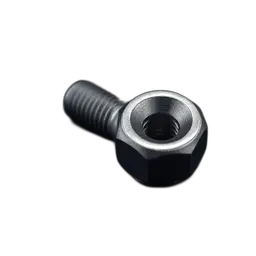
Unthreaded Routing Eyebolts—Not for Lifting
Weld into place to create a permanent routing connection.
39 products